Can You Replace a Roof in Winter?
Yes — and in New Hampshire and Maine it is often the sensible choice. What cold weather actually changes about a roof installation, when waiting for spring is the better call, and how to tell the difference.
Expert advice on roof replacements, maintenance, and storm damage. Browse our roofing articles to keep your Southern NH or Maine home protected.
Yes — and in New Hampshire and Maine it is often the sensible choice. What cold weather actually changes about a roof installation, when waiting for spring is the better call, and how to tell the difference.
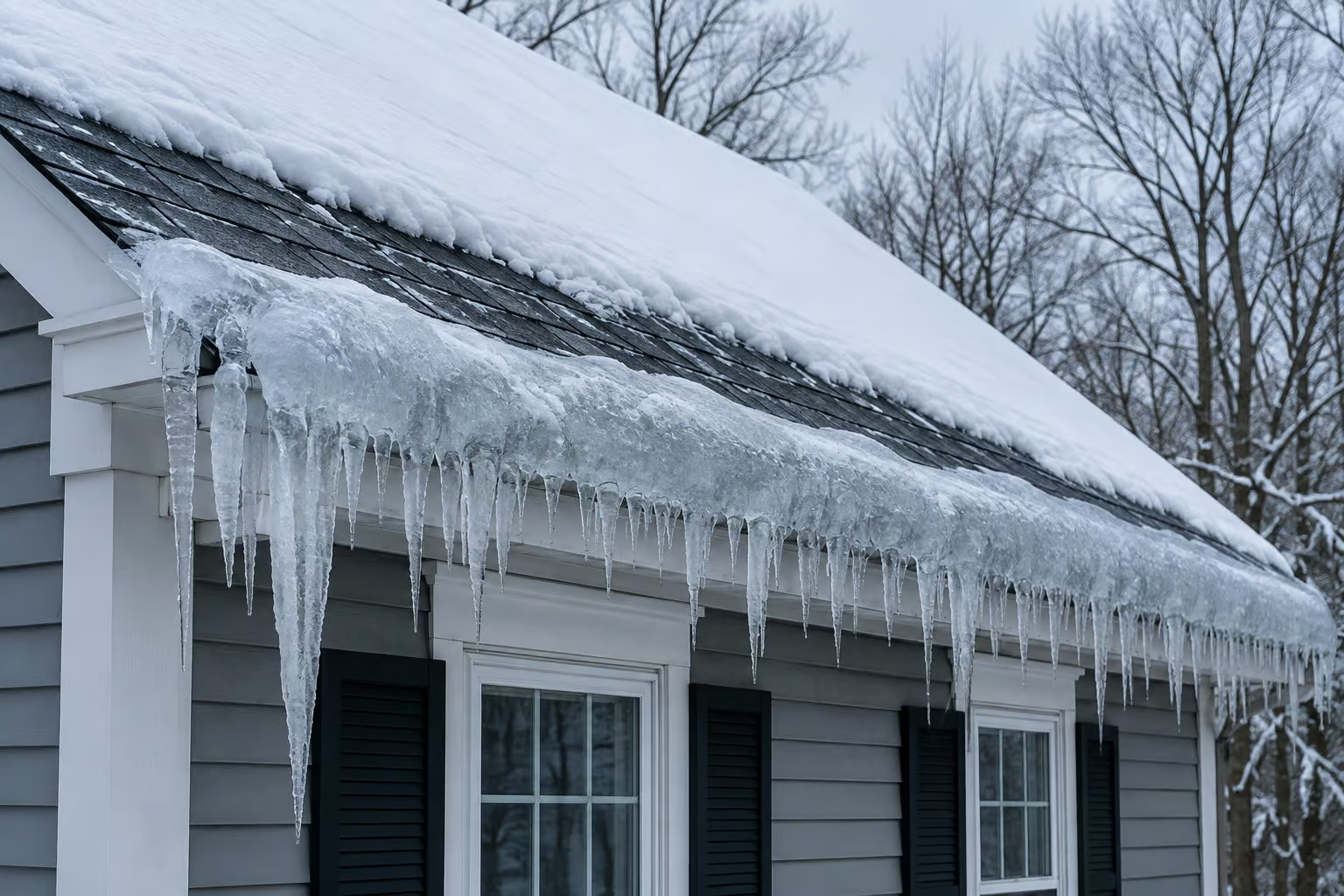
Ice dams are the most common cause of winter roof leaks in NH and ME — and one of the few roofing problems that’s genuinely preventable. Here’s what causes them, the warning signs to watch for, what not to do, and the fixes that actually work (all of which need to happen before the snow flies).
If you have spent a single winter in Rockingham County or along the Seacoast, you know that New England weather doesn’t just “test” a roof—it attacks it. From the heavy, wet snow in Deerfield to the corrosive salt air in Portsmouth and York, homeowners often find themselves replacing asphalt shingles every 15 to 20 years.
Introduction If your home has a low-slope or flat roof and you’re preparing for a replacement, you’ve likely come across TPO roofing. TPO has quickly become one of the most widely installed single-ply roofing systems in North America due to its energy efficiency, durability, and relatively affordable cost. For homeowners in Southern New Hampshire and …
Introduction If your home has a low-slope or flat roof and you’re researching replacement options, EPDM (a rubber roofing membrane) is one of the most common, cost-effective choices. This guide explains exactly what EPDM is, how it performs in New England winters, installation methods, costs, maintenance, and how it stacks up to alternatives like TPO …
Introduction to Roof Maintenance in Harsh New England Winters As the calendar turns to a new year, homeowners in New England face the reality of winter storms, heavy snowfall, and freeze-thaw cycles that can wreak havoc on residential roofs. In states like New Hampshire (NH) and Maine (ME), where coastal winds, nor’easters, and sub-zero temperatures …
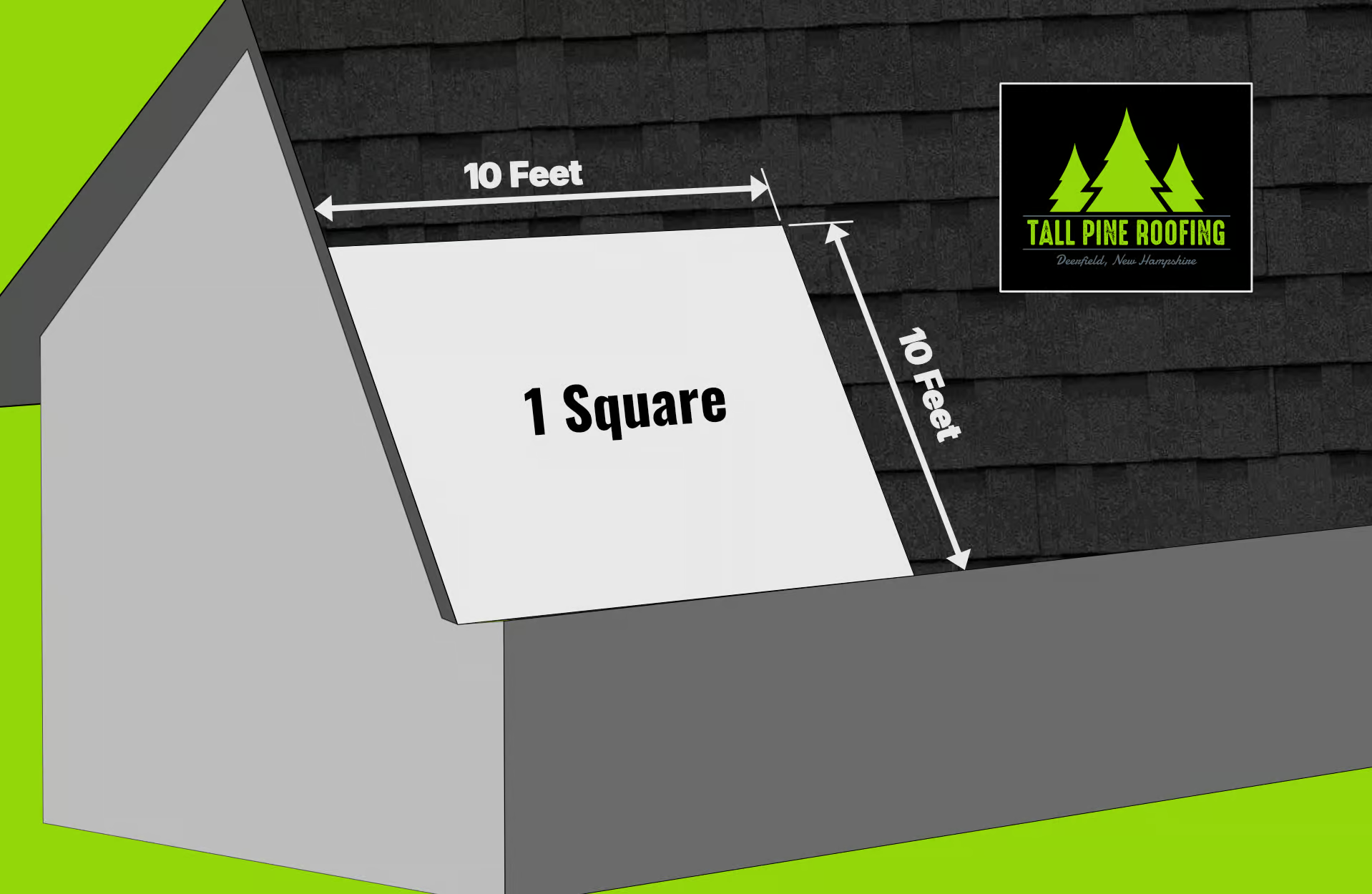
A “square” in roofing terms is a unit of measurement used to quantify the area that roofing materials will cover. Understanding this measurement is crucial for accurately estimating the amount of shingles needed for a roofing project. What is a Roofing Square? A roofing square is defined as 100 square feet. This measurement is consistent …
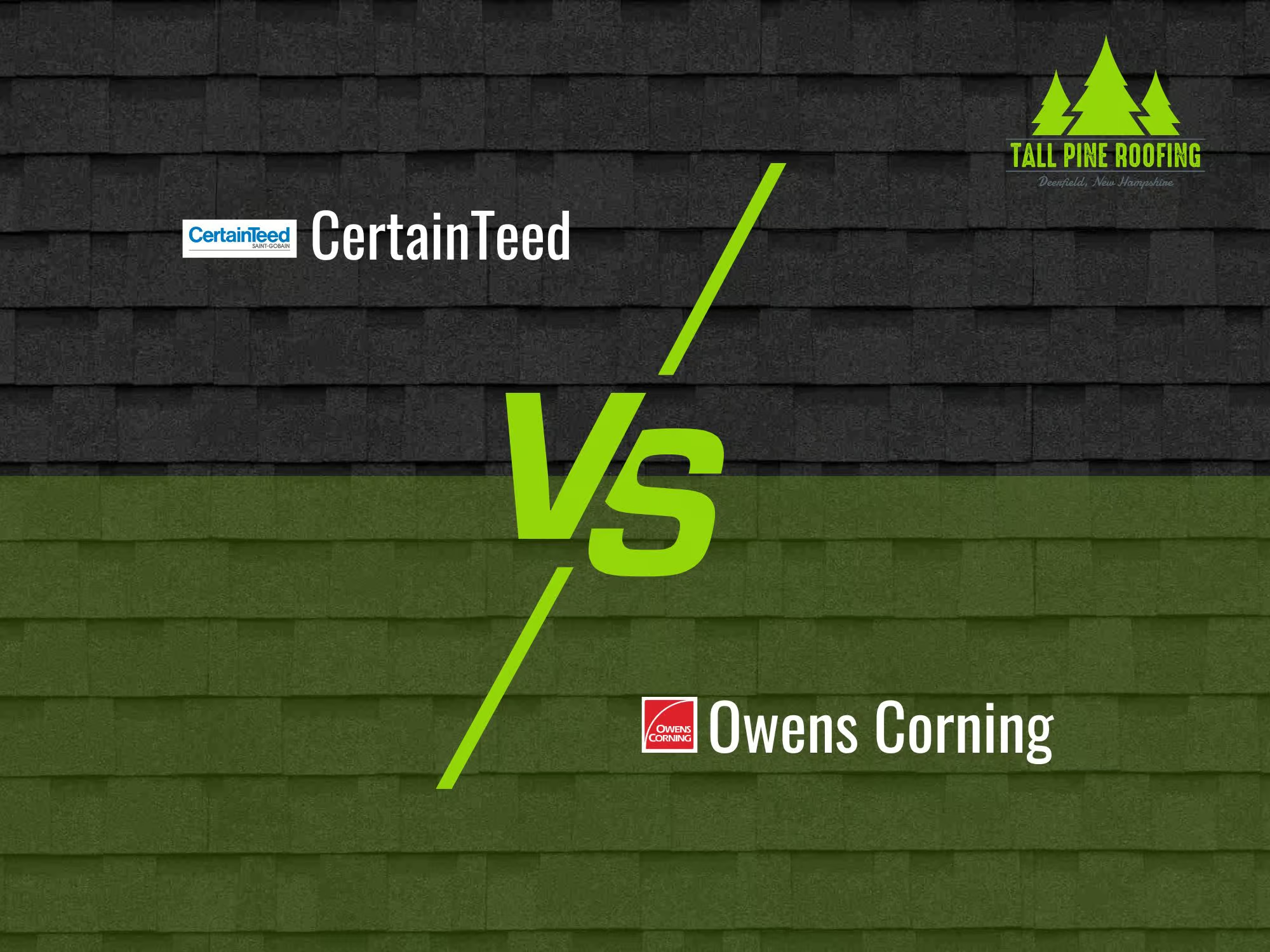
Choosing the right roofing material for New Hampshire homeowners isn’t just about protecting their investment—it’s about preparing for the unique challenges our diverse New England weather brings. From harsh winters in the Lakes Region to coastal conditions near Portsmouth, selecting between industry leaders like Owens Corning and CertainTeed can feel overwhelming. As more homeowners across …
Coastal areas in New Hampshire present unique challenges for roofing due to their exposure to harsh weather conditions. Selecting the right roofing materials and designs is crucial to ensure durability and protection against the elements. Understanding Coastal Weather Challenges Coastal New Hampshire experiences a variety of weather conditions, including strong winds, salt spray, and heavy …
Understanding roofing costs in New Hampshire involves considering materials, labor, and other key factors. Below is a detailed breakdown to help homeowners plan their roofing projects.